

How Long Do Dental Implants Last?
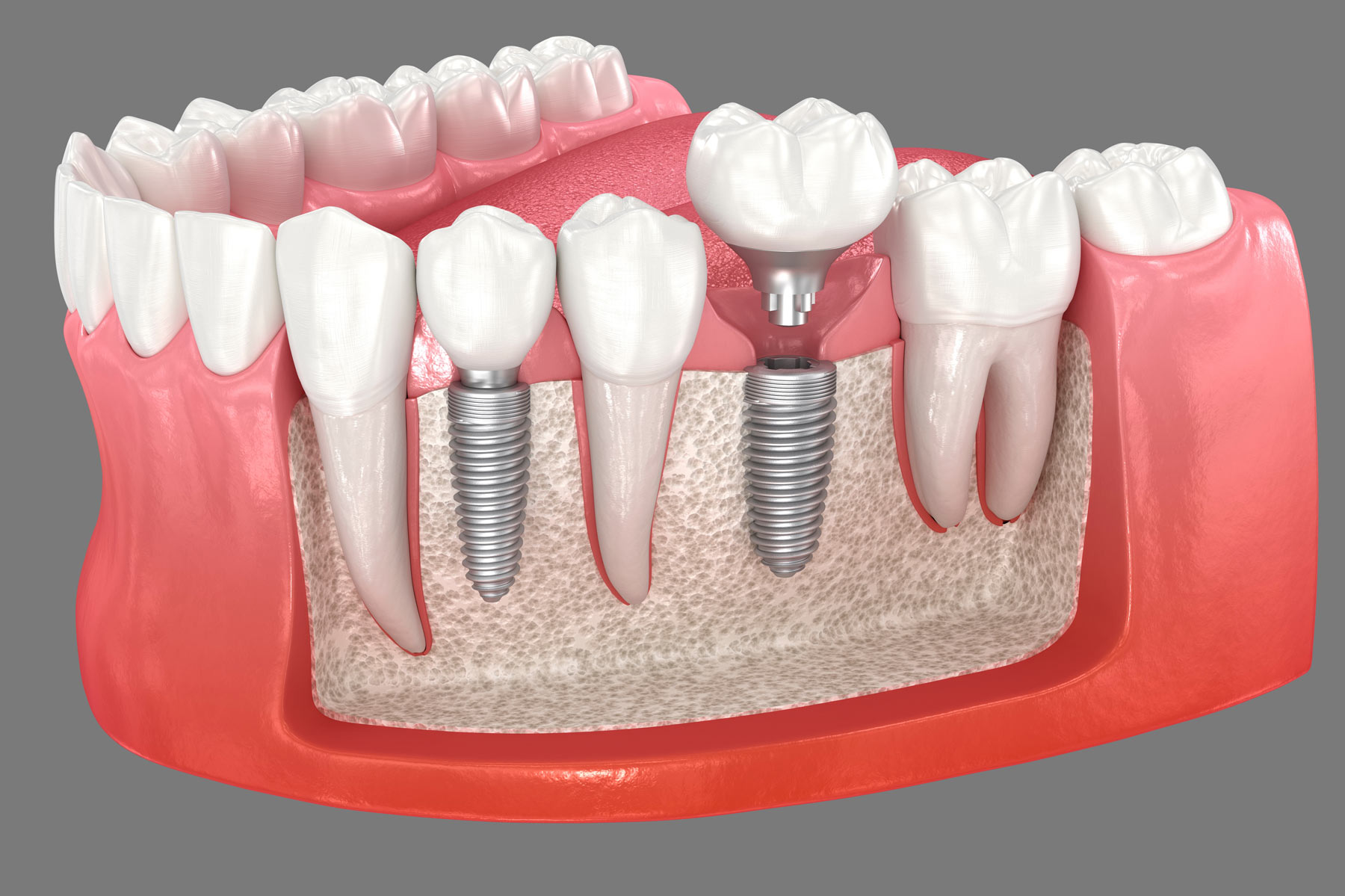
If you are considering dental implants to replace a missing tooth, one of the first questions you probably have is: how long will they actually last? The short answer is that implants are designed to be a permanent solution — but like anything in dentistry, longevity depends on how well they are placed and how well you care for them. At Family Dentistry of Texoma in Wichita Falls, we want every implant patient to walk away understanding exactly what they are getting and how to protect their investment.
The Short Answer: Decades, Often a Lifetime
The implant itself — the titanium post that is placed into your jawbone — is built to last a lifetime. Clinical studies show that implants have a 95% or higher success rate at the 10-year mark, and many patients keep their implants for 25, 30, or 40 years without issues.
The crown (the visible tooth on top) has a slightly shorter lifespan. Porcelain crowns typically last 10 to 15 years before they may need to be replaced due to normal wear. This is similar to a crown placed on a natural tooth.
What Affects How Long an Implant Lasts?
Several factors determine whether your implant goes the distance:
- Bone density at placement. Implants fuse with your jawbone through a process called osseointegration. If there is not enough healthy bone, the implant may not integrate properly. Your dentist may recommend a bone graft before placement if needed.
- Oral hygiene habits. Implants cannot get cavities, but the gum tissue and bone around them can still be affected by infection. A condition called peri-implantitis — similar to gum disease — is one of the leading causes of implant failure. Brushing twice a day and flossing daily around the implant is essential.
- Smoking. Tobacco use significantly increases the risk of implant failure. Smokers have a notably higher rate of complications and bone loss around implants. Quitting before and after placement dramatically improves outcomes.
- Grinding and clenching. Patients who grind their teeth at night put excess force on implants and the crowns on top of them. A custom nightguard can protect the restoration and extend its life.
- Regular dental visits. Routine checkups allow your dentist to monitor the implant site, catch early signs of bone loss, and professionally clean areas that are hard to reach at home.
Signs That an Implant May Be Failing
Implant failure is uncommon, but it does happen. Watch for these warning signs and contact your dentist promptly if you notice any of them:
- Pain or discomfort around the implant site that does not resolve
- The implant feels loose or wobbly
- Swelling, redness, or bleeding around the gum at the implant site
- Difficulty chewing that was not present before
Catching a problem early almost always means a simpler, less expensive solution. Waiting can lead to significant bone loss that complicates any follow-up treatment.
Implants vs. Other Tooth Replacement Options
It helps to compare implants to the alternatives when thinking about long-term value:
- Dental bridges typically last 10 to 15 years and require grinding down the healthy teeth on either side of the gap.
- Dentures usually need to be relined or replaced every 5 to 8 years as the jawbone changes shape over time.
- Implants preserve the jawbone, do not affect neighboring teeth, and can last a lifetime with proper care.
When you factor in the cost of replacing a bridge or denture multiple times over 20 or 30 years, implants often end up being the most cost-effective option in the long run.
Are You a Candidate for Dental Implants?
Most healthy adults are good candidates for implants. The key requirements are sufficient jawbone volume, healthy gums, and no uncontrolled systemic conditions that affect healing (such as poorly controlled diabetes). Even patients who have been told they do not have enough bone are often candidates after a bone grafting procedure.
The best way to find out is a consultation with our team. We will take X-rays, evaluate your bone and gum health, and give you a clear picture of what implant treatment would look like for you.
Ready to take the next step? Call Family Dentistry of Texoma in Wichita Falls at (940) 723-0435 or request an appointment online. We would love to help you find a solution that lasts.
Ready to schedule your next appointment?
Call Family Dentistry of Texoma in Wichita Falls at (940) 723-0435 or request an appointment online. We are accepting new patients and would love to help.